



A dead battery usually announces itself at startup, slow cranking, rapid clicking, or nothing at all, and a jump start gets the car running and keeps it running. A bad alternator usually lets the car start, then kills it minutes or miles later, because nothing is recharging the battery while you drive. The fastest free test: jump the car and let it idle. If it dies again within 20 to 30 minutes, the alternator is the prime suspect.
The price gap is why the diagnosis matters. At North Carolina independent-shop rates, roughly $90 to $130 an hour in Charlotte, $95 to $135 an hour in the Triangle, a battery replacement typically runs $120 to $470 installed, while an alternator replacement runs $430 to $950 for most vehicles. These two problems get confused constantly, and for good reason: they end the same way, with a car that won't start. But you can usually tell them apart in your driveway without spending a dime.
Already know which repair you're facing? The battery cost calculator prices it for your exact year, make, and model in about thirty seconds.
Is It the Battery or the Alternator?
The battery starts the car; the alternator runs the car and recharges the battery once the engine is going. That division of labor is the whole diagnostic. If the failure happens at startup, weak crank, clicking, dead silence, think battery. If the failure happens while driving, dimming lights, dying electronics, a battery-shaped warning light on the dash, the engine stalling on the road, think alternator, because the battery's job was already done the moment the engine caught.
There's one wrinkle: a failing alternator slowly starves the battery, so an alternator problem often looks like a battery problem at first. That's why the jump-start test below matters, it tells you which one is actually failing.
What Are the Symptoms of a Dead Battery?
A dying battery shows up as slow, labored cranking, a rapid click-click-click when you turn the key, or dim dash lights before you even try to start. Other tells:
- The car sat for days (or weeks) and now won't start, batteries self-discharge, and a dome light left on finishes the job overnight
- It starts fine after a jump and stays running as long as you drive it
- Trouble is worse on cold mornings, when a weak battery loses much of its cranking power
- White or bluish crust on the terminals, corrosion adds resistance and can even cause a slow constant drain
- The battery is more than three or four years old (three to five years is a typical lifespan, and hot Carolina summers push you toward the short end)
If any of those match, get the battery tested before buying anything. Most auto parts stores will test it for free in about five minutes.
What Are the Signs of a Bad Alternator?
A failing alternator shows up while the engine is running: dimming or flickering headlights, a battery warning light on the dash, dying accessories, or a car that stalls and won't restart even after a jump. Watch for:
- Headlights that brighten when you rev and dim at idle
- The radio, power windows, or dash screens acting glitchy or cutting out
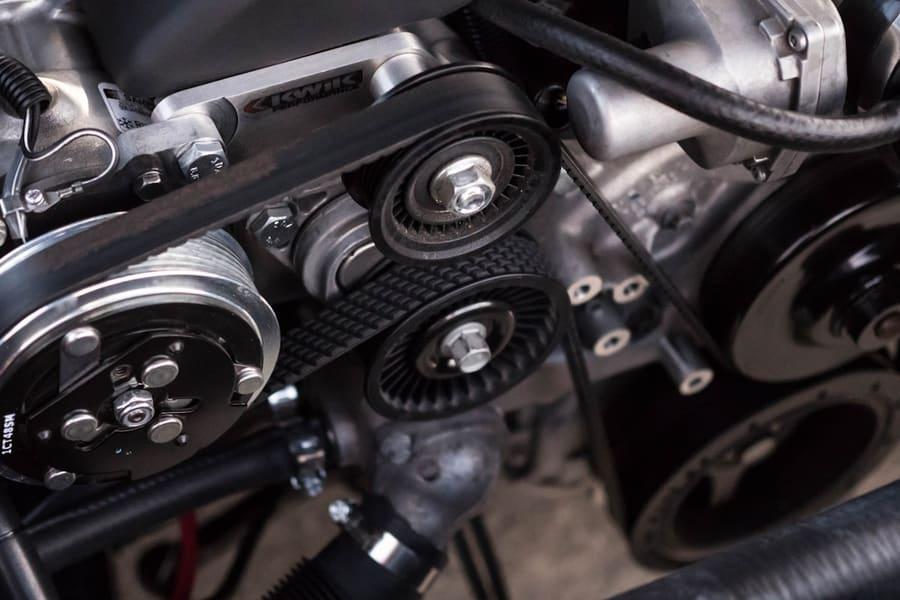
- A growling or whining noise from the front of the engine (worn alternator bearings)
- A burning-rubber smell (a slipping or overworked drive belt)
- Repeated dead batteries, if you've replaced the battery recently and it keeps dying, the alternator likely isn't recharging it
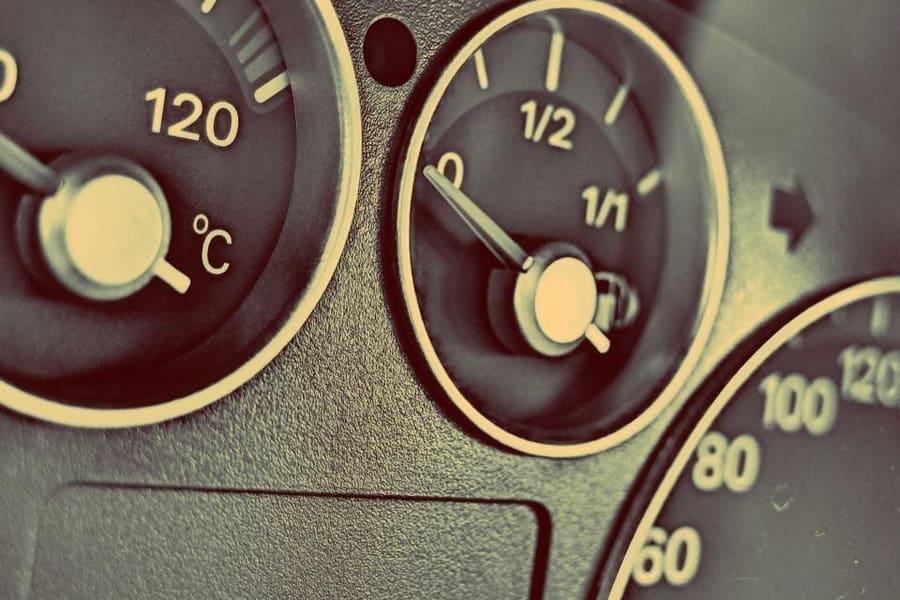
That battery-shaped dash light, by the way, almost never means the battery itself, it means the charging system isn't keeping voltage up. Our warning lights guide covers what each dash icon actually means.
What's the Free Five-Minute Test?
You can narrow this down at home with no tools, or with a $15 multimeter if you want certainty. Work through it in this order:
- Check the terminals first. Pop the hood and look at the battery posts. Heavy corrosion or a loose clamp can perfectly mimic a dead battery. Clean and tighten before condemning anything.
- Run the headlight test. With the engine idling, turn on the headlights and have someone rev to about 2,000 to 2,500 RPM. If the lights are dim at idle and visibly brighten with revs, the alternator isn't keeping up. Steady brightness points back to the battery.
- Jump-start the car and let it idle. If it runs fine for 30+ minutes and restarts on its own later, the alternator is doing its job, the battery is your problem. If it sputters out shortly after the jump, the alternator isn't charging.
- Use a multimeter if you have one. Engine off, a healthy battery reads about 12.6 volts; below 12.2 it's undercharged. Engine running, you should see roughly 13.5 to 14.7 volts. Running voltage that's stuck near 12 means the alternator isn't charging; a big jump to 14+ means it is.
- Get a free bench test. Parts stores test both the battery and the charging system at no charge, which confirms your driveway result before you spend money.
How Much Does Each Repair Cost in North Carolina?
A battery replacement typically runs $120 to $470 installed and an alternator replacement $430 to $950 for most vehicles at Charlotte and Triangle independents, and that gap is exactly why you want the right diagnosis before paying for either. Labor below is built from typical book hours times local rates:
| Repair | Parts | Labor at NC rates | Typical NC total |
|---|---|---|---|
| Standard flooded battery | $100 to $200 | 0 to 0.5 hr ($0 to $70) | $120 to $270 |
| AGM battery (start-stop vehicles) | $200 to $400 | 0 to 0.5 hr ($0 to $70) | $220 to $470 |
| Alternator, remanufactured | $200 to $400 | 1.0 to 2.5 hrs ($90 to $340) | $290 to $740 |
| Alternator, new OEM | $400 to $900 | 1.0 to 2.5 hrs ($90 to $340) | $490 to $1,240 |
| Alternator, European/luxury or buried access | $450 to $1,000 | 2.0 to 4.0 hrs ($180 to $540) | $630 to $1,540 |
A few notes on those ranges. Many parts stores install a battery free with purchase, which is why battery labor can be $0. AGM batteries, required on most vehicles with start-stop, cost roughly double a standard battery, and swapping in a cheaper flooded battery on those cars shortens its life. On alternators, the big swing is access: some sit right on top of the engine, others require pulling half the accessory drive, and labor scales accordingly. For the full parts-plus-labor breakdown, see the alternator cost guide and our cost guides.
One honest note: "replace the battery and the alternator" together is often legitimate, a dead alternator can deep-cycle a battery past recovery, and a shop that catches both is saving you a second visit, not padding the bill. But it should come with test results. Ask to see the charging-system numbers and the battery load test before approving both, and a good shop will show you without blinking.
When Is It Serious vs. When Can It Wait?
A bad alternator is a today problem; a weak battery is usually a this-week problem. Here's the distinction:
Serious, deal with it now. If the battery light comes on while you're driving, you're running on stored battery power alone, and most cars will stall within roughly 30 minutes to an hour. Drive directly home or to a shop, no errands, and definitely not onto I-85 at rush hour, because when the voltage drops far enough, you can lose power steering assist and lights along with the engine. Same urgency if the car has already stalled once on the road.
Can wait a few days. A battery that cranks slowly but still starts will usually limp along briefly, especially in summer. Park somewhere you can get a jump, skip the road trips, and replace it within the week, a battery that's slow-cranking in a Carolina July will strand you on the first cold morning of fall.
If the tests above point somewhere murkier, say, the battery and alternator both test fine but the car still won't start reliably, you may be looking at a starter, a parasitic drain, or a ground connection issue, and that's worth a proper diagnosis rather than parts-swapping. Our symptoms library can help you narrow down what else fits, and shops all over Charlotte and the Raleigh area run this exact diagnosis every day.
The good news buried in all of this: battery-versus-alternator is one of the most solvable mysteries in car ownership. Ten minutes with the headlight test and a jump start tells you which one it is, and the free bench test at a parts store confirms it. And if a shop hands you an estimate, for one part or both, run it through Fixxr's quote scanner at is my quote fair before you approve. Snap a photo, tell us the vehicle, and your diagnostic comes back in about a minute with what that repair typically runs for your car in your part of North Carolina. Figure out which component actually failed, pay a fair price for that one, and you're back on the road. You deserve a fair fix.