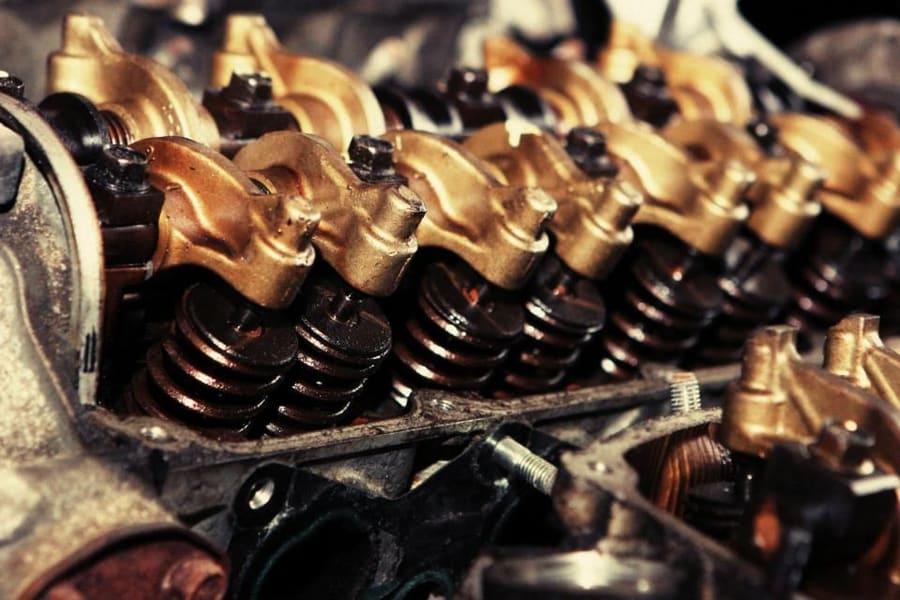



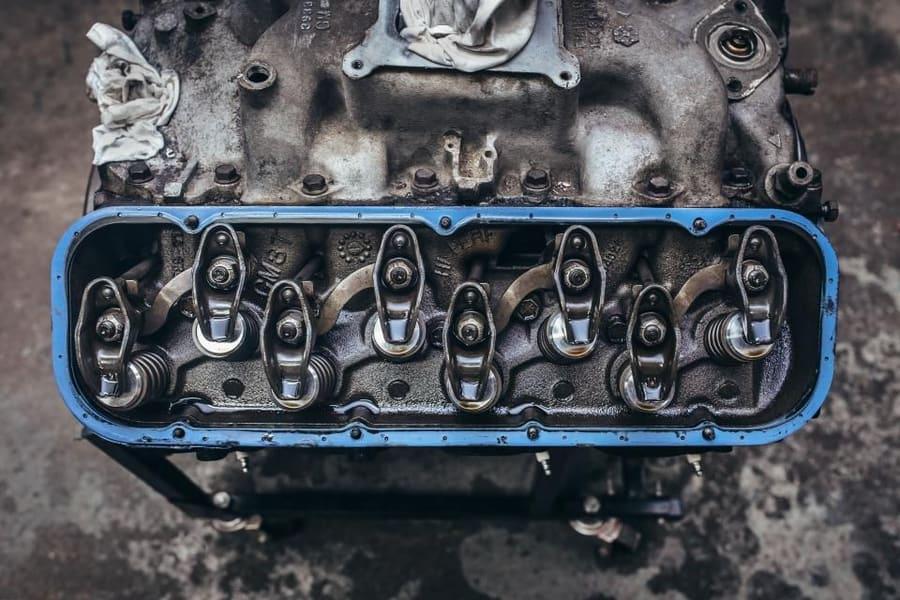
A head gasket replacement runs $1,550 to $2,350 on a typical four-cylinder at an independent shop in 2026. A V6 or V8 with two cylinder heads runs $2,520 to $4,400 for the same failure, and a badly overheated engine can push the conversation to a used-engine swap at $2,240 to $5,900. The strange part: the gasket itself often costs less than $100.
That gap between the part price and the bill is the whole story of this repair. Nearly everything you pay for is teardown labor and machine shop work, which is why quotes on the same car can span thousands of dollars and why this is the job where the fix-or-sell question gets real. Here is where the money goes, how mechanics confirm the diagnosis for under $200 before anyone commits, and the math for deciding whether the car is worth it.
Want your number first? The repair cost calculator prices this job for your exact year, make, and model in about thirty seconds, then come back for what's behind the number.
What Does a Head Gasket Replacement Cost in 2026?
| Scenario | Typical price installed |
|---|---|
| 4-cylinder engine, single head (older Civic, Corolla, Focus) | $1,550 to $2,350 |
| V6 or V8 with two heads (F-150, Tahoe, transverse minivan V6) | $2,520 to $4,400 |
| Subaru EJ25 boxer, both heads plus timing belt and water pump | $2,120 to $4,900 |
| Diagnosis only: combustion leak test plus pressure test | $75 to $180 |
| Used-engine swap instead of the gasket (badly overheated engine) | $2,240 to $5,900 |
The math behind the four-cylinder job: parts and machine work run $350 to $650 (a Fel-Pro head set is $30 to $90, new head bolts $40 to $80, resurfacing plus a pressure test $150 to $300, and fresh coolant, oil, and a thermostat $60 to $120), and the teardown books 10 to 12 hours at $120 to $140 per hour, so $1,200 to $1,700 in labor. RepairPal's 2026 national estimate puts head gasket replacement at $2,538 to $3,337, and labor alone accounts for $1,635 to $2,399 of that, roughly two-thirds of the bill for a part that often costs less than $100. That national figure sits above the independent four-cylinder band because it blends dealer and independent rates across every engine layout, and dealers also price OEM gaskets at 2 to 3x aftermarket.
Why Does a Part Under $100 Cost $2,000 to Install?
Because the part is buried under the entire top half of the engine. A Fel-Pro head gasket set for a Honda Civic runs $30 to $90 at AutoZone, and nearly the entire $1,500 to $4,000+ bill is the 10 to 22 hours of teardown labor plus machine work, not the part. Book time runs 10 to 12 hours on an inline-4 but 18 to 22 hours on a V8 with two heads, and 2026 shop rates span $85 to $197 per hour by state, which is how two honest quotes for the same failure can land thousands of dollars apart.
Two line items on the estimate are not padding. First, most modern engines use torque-to-yield head bolts that stretch on installation and cannot be reused; new bolts add $40 to $160 in parts, and a shop that quotes without them is cutting a corner you will pay for later. Second, any head that came off after overheating should go to a machine shop: resurfacing runs $75 to $200 per head, pressure testing $50 to $150, and valve work $150 to $400. Skipping the resurface on a warped aluminum head is how the new gasket fails in 10,000 miles.
One more quirk of engine layout: on V6 and V8 engines a blown gasket on one bank usually means doing both banks anyway, since the labor to reach the second head is nearly free once the engine is apart. That is why two-head jobs quote at $2,500 to $4,400, not double a four-cylinder.
How Do You Confirm It's Actually the Head Gasket?
The telltale trio: milky chocolate-colored oil on the dipstick or filler cap, sweet-smelling white smoke from the tailpipe, and bubbles or overpressure pushing coolant out of the reservoir. Seeing two of the three is a strong head gasket signal; any one alone can have other causes. White exhaust in particular gets misread, so it is worth knowing what each exhaust smoke color means before assuming the worst. And if the temperature gauge is climbing right now, pull over first and deal with the overheating itself, because continuing to drive is what turns gasket jobs into engine jobs.
The confirmation is chemistry, not guesswork. A combustion leak test draws air through the coolant past a blue fluid that turns yellow when exhaust CO2 is present. The kit costs about $50 retail (the Block Tester BT-500 is the common one), parts stores loan them free, and a shop charges roughly $75 to $180 including a cooling system pressure test. Many shops credit that diagnostic fee toward the repair, which makes it cheap insurance before anyone signs off on a four-figure job.
The Subaru Head Gasket Saga
The Subaru EJ25 saga is the most famous head gasket failure in America: internal leaks on the 1996 to 1999 DOHC engine, then external coolant seepage on 1999 to 2002+ SOHC engines. Subaru's answer was a cooling system conditioner additive plus extended coverage to 8 years or 100,000 miles, and failures kept the problem alive on forums well past 150,000 miles.
The repair on these cars has its own shape. The flat-four layout puts a cylinder head on each side of the engine against the frame rails, so many shops pull the whole engine, and the standard practice is doing both sides plus the timing belt and water pump while it is out. Real owner quotes run $2,120 to $2,600 on a Forester up to $4,900 on an Outback, which is engine-out labor of roughly 12 to 16 hours plus a $400 to $900 parts and machining bundle.
When Is It Worth Fixing, and When Do You Walk Away?
The walk-away math: when the head gasket quote exceeds about half the car's market value, price a used engine and price selling the car as-is. A $2,500 repair on a $3,000 car with 200,000 miles usually loses, especially since the overheat that blew the gasket may also have cracked the head or cooked the bearings.
The used-engine route lands at $2,240 to $5,900 installed: the engine itself is $600 to $2,500 (a compact four-cylinder at the low end, a truck V8 at the high end), plus $200 to $400 in install gaskets, fluids, and mounts, plus 12 to 20 hours of labor. It is worth pricing whenever the overheat may have warped the head or scored the cylinders, because a gasket job on a damaged block just delays the same decision. For a sense of where this repair sits next to everything else that can go wrong, our guide to what car repairs cost in 2026 puts the numbers side by side.
What Drives the Price
- Engine layout, one head or two: the biggest single driver. An inline-4 with a single head books 10 to 12 hours; V6 and V8 engines with two heads book 14 to 22 hours, roughly doubling the labor line.
- Labor rate by state and shop type: independent shops average $120 to $159 per hour in 2026 (about $132 national average), and dealers run $20 to $40 per hour higher. Same job, an $800+ swing coast to coast.
- Machine work found at teardown: resurfacing, pressure testing, and valve work add $200 to $600 per head. A cracked head that must be replaced adds $500 to $1,500 on top.
- While-in-there items: new torque-to-yield head bolts are mandatory ($40 to $160). Timing belt, water pump, and thermostat are smart adds while the engine is apart, adding $150 to $500 but saving a future labor bill.
- Access and engine placement: a transverse V6 in a front-wheel-drive vehicle, turbo plumbing, or a truck cab that limits reach adds hours. Subaru boxers often mean pulling the whole engine.
- Collateral damage from the overheat: warped or cracked heads, scored cylinders, or oil contaminated with coolant can push the answer from a $2,000 gasket job to a $2,240 to $5,900 used-engine swap.
Head Gasket FAQ
Can I drive with a blown head gasket? Short distances at your own risk, and every mile is a gamble. Coolant in the oil wipes out bearings, and repeated overheating warps the aluminum head, turning a $2,000 repair into a dead engine. If you see milky oil or steady overheating, tow it.
Is it worth replacing a head gasket on an old car? Compare the quote to the car's value. Under roughly half the car's market value with an otherwise healthy engine, fix it. Over that line, or if the overheat damaged the head or bottom end, price a used engine ($2,240 to $5,900 installed) or sell the car as-is.
Why does a head gasket cost so much when the part is under $100? Because the part is buried under the entire top half of the engine. The job books 10 to 22 hours of labor at $120 to $159 per hour at independent shops, plus $200 to $600 in machine shop work to true and test the head before reassembly.
Do head gasket sealer bottles actually work? Sometimes, briefly, on tiny coolant-side seeps in an engine you plan to sell or scrap. They do not fix combustion leaks, they can clog heater cores and radiators, and no reputable shop treats them as a repair. Think of the $30 bottle as a bridge, not a fix.
How do shops confirm it is really the head gasket? A combustion leak test: blue fluid drawn through the coolant turns yellow if exhaust gases are present, usually paired with a cooling system pressure test and sometimes a cylinder leak-down test. Expect $75 to $180, often credited toward the repair.
How long does a head gasket job take at a shop? Two to four days is typical. The labor is 10 to 22 hours, but the head usually spends a day at a machine shop for resurfacing and pressure testing between teardown and reassembly.
These ranges cover the head gasket job itself at independent shops. They do not include taxes, shop supplies, and disposal fees (typically 5 to 10 percent on top), towing (a car with a blown head gasket usually should not be driven in), a cracked head or block discovered at teardown, or the while-in-there timing belt and water pump service ($150 to $500 extra). They also do not cover fixing whatever caused the overheat in the first place, whether that is a failed radiator, fan, hoses, or thermostat, and they assume you can be without the car for 2 to 4 days while the head makes its round trip to the machine shop.